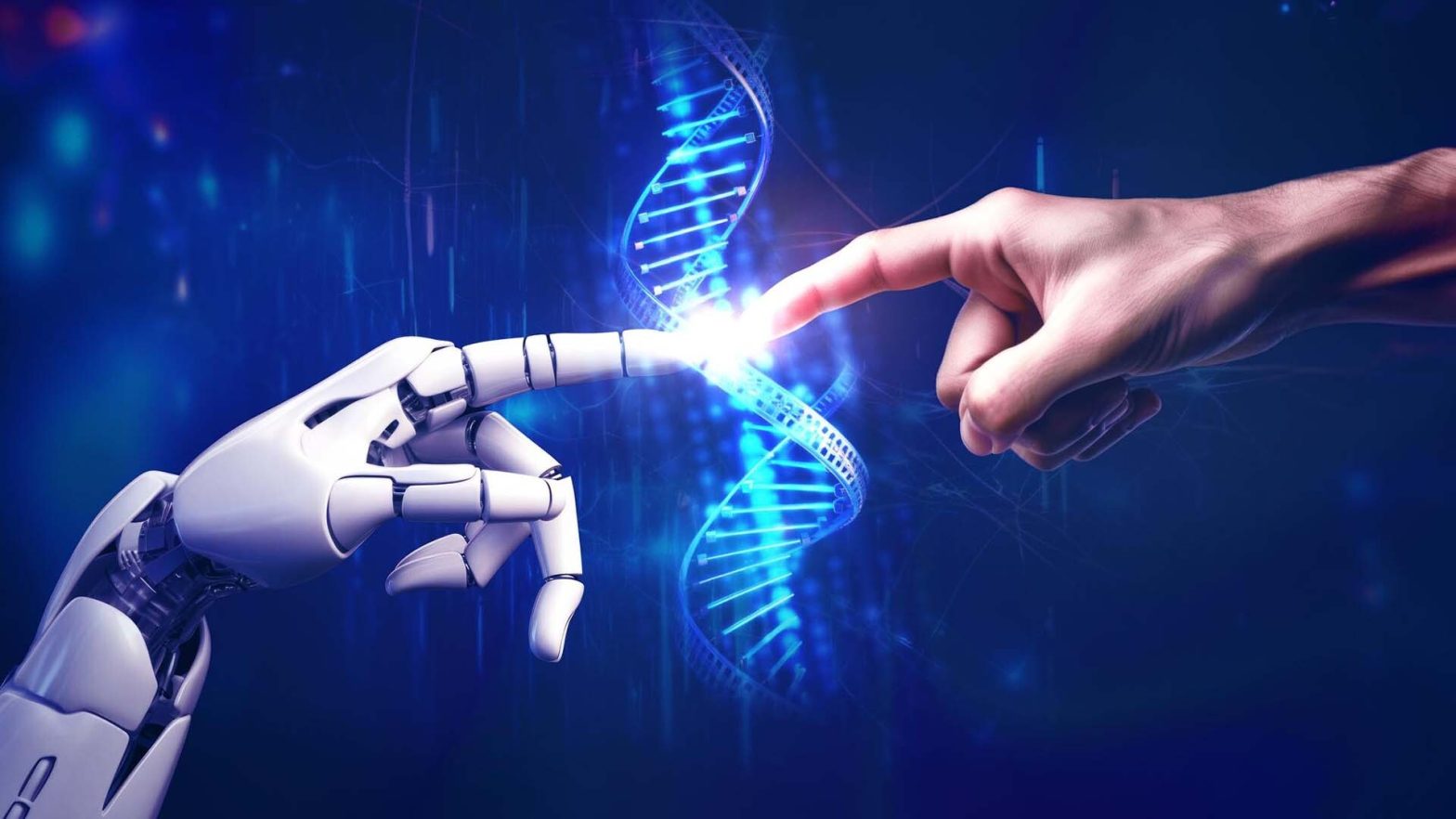
In the healthcare sector, every second counts. The industry has seen significant growth due to technological advancements. Healthcare IT solutions are expected to progress even more rapidly as new technologies continue to be developed specifically for healthcare.
Technology plays a crucial role in the provision of healthcare services. This enables healthcare providers to treat patients safely and efficiently. Nonetheless, there are numerous examples of how technology is significantly affecting the healthcare sector.
For example, monitoring devices notify emergency personnel of fluctuations in the user’s heart rate. It also triggers smart insulin pumps to automatically adjust insulin doses depending on the person’s glucose levels. Healthcare professionals can offer patients more effective care due to technology than they could in the absence of it.
“IT solutions will keep speeding up the pace of change in the healthcare industry in the future.”
Information technology is used in the healthcare industry in so many different ways. It is essential to lower waste and inefficiencies and boost the quality of care. IT will continue to advance healthcare, improving patient and healthcare provider outcomes.
Benefits of IT Solutions for the Healthcare Industry

Better Patient Care
The use of healthcare technology systems has reshaped patient care by providing healthcare professionals with access to relevant medical information and bringing the ability to monitor patients remotely. Management and support are essential for such technology systems to be effective. In most cases, this pertains to managed IT support.
Healthcare systems, such as EHR systems, enable providers to access patients’ medical records in real time. This software provides prompt and effective clinical judgment in situations where a patient is unable to attend a clinic appointment. It is also beneficial for a reliable telehealth platform to facilitate communication between the patient and the clinician.
HIPAA Data Protection and Compliance
Managed IT support providers know how to implement procedures that ensure systems and processes are secure. They use different types of encryption, firewalls, and other security measures to secure patient records against any possible cyberattacks.
Giving employers a comprehensive awareness of HIPAA standards is one method healthcare service providers offer employers to ensure their HIPAA compliance. This helps organizations build any necessary measures for HIPAA compliance.
In addition, these organizations conduct HIPAA risk assessments and develop data breach response strategies for healthcare providers. To guarantee that every employee complies with HIPAA requirements, they also offer HIPAA education and training.
Expertise and Productivity
Healthcare technology companies have specialists with a wide range of technical expertise. They can swiftly detect the problem and establish regular operations. It supports organizations with tools that help them take proactive measures to lessen the risk of technical issues arising. This involves advocating for software updates or carrying out periodic system maintenance.
All things considered, this reduces downtime and boosts productivity for healthcare companies. It enables them to concentrate on giving patients the best treatment possible.Healthcare firms can also benefit from the managed IT support model by having access to the newest tools and technologies.
By implementing technology that enhances operations with patients being cared for, IT support firms will assist healthcare organizations. They benefit their clients with the most innovative solutions, hence boosting efficiency and patient care.
Adoption of Next-Gen Tech
IT experts facilitate the easy adoption and migration of new technology in the healthcare sector. IT support companies have the knowledge and experience required to implement new technologies or combine them with existing ones.
They can also help firms adopt new technologies successfully and efficiently. This is because they are aware of the unique requirements and difficulties that exist in the healthcare industry.
Healthcare IT service providers may advise a business on which technologies are most appropriate in 2026. They are intimately familiar with the industry, the newest trends, and the ever-changing technologies.
Reliable Healthcare Systems
IT service companies provide proactive maintenance and monitoring to prevent technical problems from occurring in the healthcare sector.
If there is a potential problem, IT support can identify it before it becomes a real concern. It helps them to swiftly fix the issue before the technology causes any major disruptions.
IT Support Service Providers are the best resource for observing and protecting the security of technology systems. It helps against potential threats and maintains that security over time. Protecting patients’ personal information and privacy is crucial in the healthcare industry.
Timely Patient Support
Healthcare IT specialists provide 24/7 support and a fast response to any technical problem in the healthcare industry. IT experts have the knowledge and resources to quickly respond to any technical challenges that may arise. This not only minimizes downtime but also gets things back to normal for patient care.
By partnering with an IT Support Service Provider, organizations can have confidence in getting help with any technical issue. This allows healthcare providers to concentrate on delivering the best quality of care possible to their patients. They don’t have to worry about any technical issues, as the software handles it all.le to their patients without worrying about any technical issues.
Core Areas Where Healthcare IT Services Make an Impact

Healthcare Software Development
Suppose you need an authentic software solution (such as an ERP system or scheduling system), but none of the current offerings really suit your workflow. In this case, you must look for healthcare software development services. Healthcare Software Development apps are targeted to the specific requirements of patients, healthcare providers, and healthcare insurance companies.
It consists of a wide range of services:
- Customization of healthcare solutions
- App integration
- UI/UX design
- Customization of healthcare solutions
Healthcare IT Consulting
Healthcare IT consulting services help you incorporate modern technology to upgrade your medical facility. Experienced professionals navigate healthcare complexities and recommend the best healthcare IT solutions to you.
- Healthcare IT service providers can benefit from these services.
- Consultants evaluate your difficulties and priorities to suggest the finest healthcare IT services based on your individual needs.
- To implement advanced healthcare IT solutions, the organization has a specialized team of professionals who will create an acceptable roadmap to incorporate new technology into its existing infrastructure.
- The organization has experts to help you assess and compile a list of software vendors to determine which one best suits your requirements.
Trends in the Development of Healthcare Technology
Healthcare is entering the age of “Precision Medicine,” “Personalized Patient Care,” and “Digital Service Delivery. In this era of digital service, many IT companies are offering Healthcare IT Solutions that benefit from the latest technologies. You will help establish a healthier future by adopting the newest and best medical technology. These are all examples of trends taking place in the present and will have an impact on future healthcare professionalism.
AI can more precisely determine a patient’s needs, as it can recognize patterns and trends in massive health databases. Artificial Intelligence makes it possible to create individualized treatment plans that are specific to the patient’s health.
Compared to earlier AI models that only analyzed and understood information, generative AI creates original text, audio, video, and pictures. As such, generative AI facilitates various health-related processes and activities more quickly than conventional means.
AI solutions reduce costs while expediting the discovery of new therapies for clinical trial design, patient recruitment, and patient selection.
With generative AI, researchers can discover and evaluate potential drug candidates up to ten times quicker than traditional methods. This is possible due to generative AI’s ability to generate and collect millions of different compounds in one sitting.
With generative AI, examination of medical imaging data (X-ray, CT SCAN, MRI, etc.) is highly accurate. It helps physicians to improve and automate the interpretation of medical images and to discover earlier signs of illness.
If medical specialists have access to a patient’s health records, genetic data, and medical history, AI can analyze this information. This analysis enables the creation of a more personalized and effective treatment plan for each patient.
Chatbots and Virtual Assistants
AI-based bots are becoming popular in the healthcare space for improving communication between patients and physicians. AI chatbots can be used for multiple functions, such as making appointments and handling common health and wellness concerns. They are also connecting patients with other medical specialists. It can be managed by using AI Chatbots to assist with a lot of daily duties that would otherwise take up doctors’ time.
In this case, physicians will have more time to give attention to their patients’ most urgent requirements. AI chatbots can encourage patients to take a more active role in their care by providing current, pertinent details on their physical and mental wellness. They can also alert patients to available healthcare options and lifestyle recommendations.
AR/VR in Healthcare
Surgeons who use AR headsets during surgery overlay vital patient information onto a physical surgical region. It improves precision and lowers the risk of error. In the meantime, VR therapy can be used in the treatment of phobias and PTSD. It helps patients confront their anxieties in a safe and controlled virtual environment.
- VR-powered IT solutions for healthcare also help physical therapists in making recovery more effective through the use of virtual therapeutic exercises.
- Education is another industry that benefits from AR in healthcare apps. Such medical IT solutions allow students to engage with 3D models of the human body.
Next-Gen Technologies in Healthcare IT Solutions
Electronic Health Records (EHRs)
Medical specialists can recognize the real importance and impact of electronic health records (EHRs). Prior to active industry digitization, health records were complicated paper files that were easily lost, destroyed, or misfiled.
Hospitals frequently suffer from fragmented data vaults, with key patient information kept in separate departments, hindering care delivery and wasting valuable time for specialists to put together a patient’s medical history.
Healthcare service providers’ lives have been made simpler by the centralized and uniform data. It can be possible as a result of the digitization of patient records or EHR IT services.
When you have access to all the important patient data, you can lower the chance of prescription
ERP Systems for Healthcare
A productive healthcare organization is an intricate framework. In this, each department, from billing and insurance to lab testing, contributes to the effective provision of the best treatment.
However, without a centralized control system, anarchy can occur.
Healthcare enterprise resource planning (ERP) systems are the foundation that ensures all departments have the resources they require, materials flow seamlessly, and patient care is provided efficiently. That’s why it’s one of the must-have healthcare IT solutions that every hospital requires to handle properly and easily:
- Financials: ERPs simplify inventory management, billing, and claims processing while integrating all of your financial operations.
- Human resources: These systems are capable of handling personnel records, payroll, and benefits.
Healthcare Software Solutions
According to recent studies, administrative chores account for roughly 37% of healthcare providers’ time.
Healthcare scheduling software systems are essential if you want to devote more time to patients, improve care quality, and ultimately increase ROI.
Modern customers are unlikely to call your office to schedule an appointment; instead, they are more likely to use an app or a chatbot because it is faster and more convenient.
Moreover, you can enjoy additional helpful features like
Patients can plan, reschedule, and cancel appointments directly via an online interface, saving administrative effort for your personnel and increasing patient satisfaction.
Automated reminders help patients stick to their treatment programs and reduce the number of missed sessions.
Scheduling software can be integrated with telehealth platforms, making it easy to plan and attend virtual consultations from a single app.
Conclusion
In the current dynamic healthcare environment, healthcare IT solutions provide the foundation for reliable and personalized treatment for patients. Whether leveraging EHRs or next-generation health technology, medical IT software enhances compliance and outcomes. Collaboration with reliable suppliers makes an impact. OCloud Solutions, recognized as one of the best healthcare IT companies to work for! They help organizations to transform difficulties into opportunities through better, more connected care.